 Surgical Research Radar
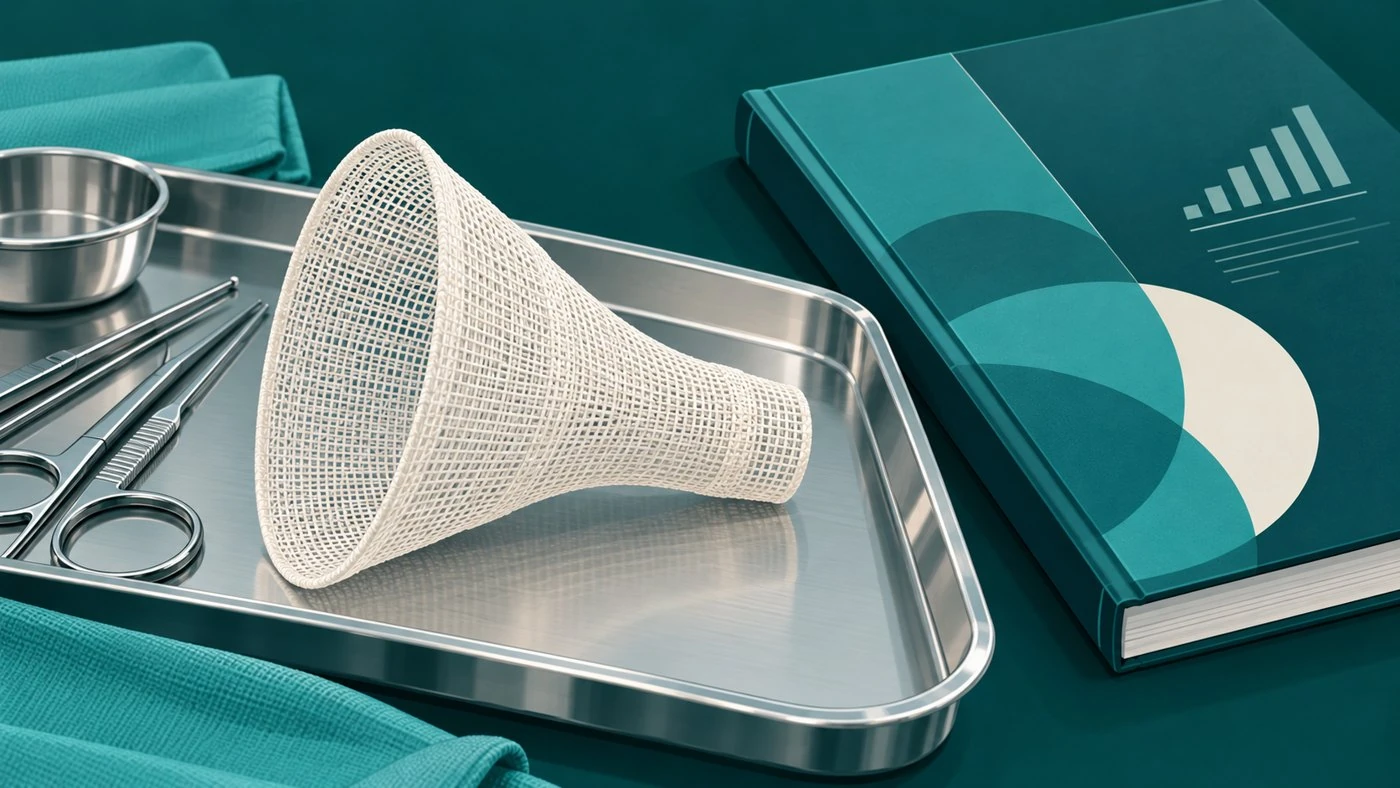
Preventing parastomal hernia: the Chimney Trial at three years
Funnel-shaped mesh reduced radiologic and clinical hernia in this study, but prevention was incomplete and follow-up matters.
22 November 2026Read More
 Dr Abdelrahman EssamGENERAL SURGERY & TRAUMA
A continuously growing surgical knowledge library.
25 educational articles across 7 categories. Literature reviews and teaching discussions, not a list of personal research publications.
8 of 25 articles shown
Surgical Research RadarFunnel-shaped mesh reduced radiologic and clinical hernia in this study, but prevention was incomplete and follow-up matters.
 Surgical Pearls & Pitfalls
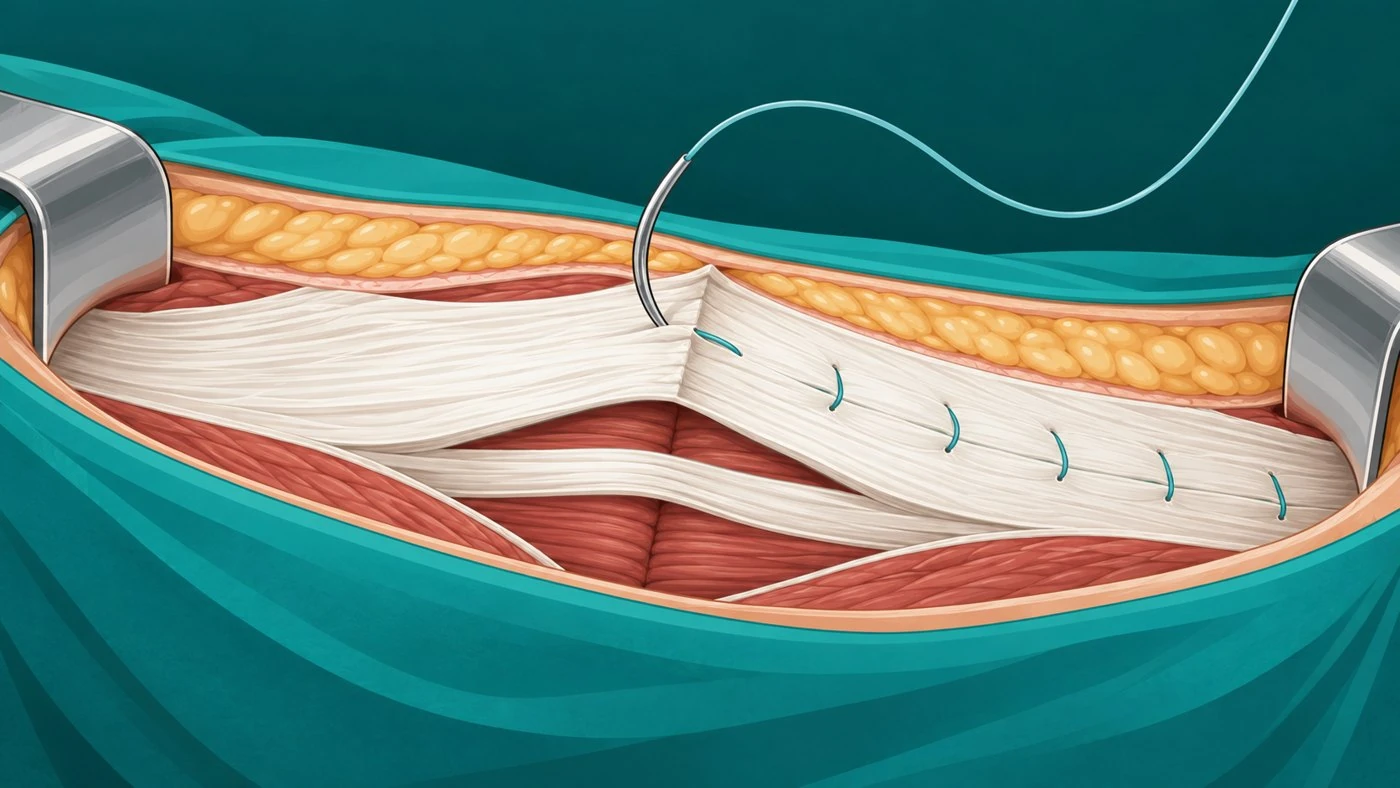
Thirteen-year follow-up supports careful small-bites closure after elective midline laparotomy, while showing that hernia risk remains.
 Evidence-Based Surgery
A shorter course worked as well as a longer strategy in the trial population. The key condition was adequate source control.
 Surgical Pearls & Pitfalls
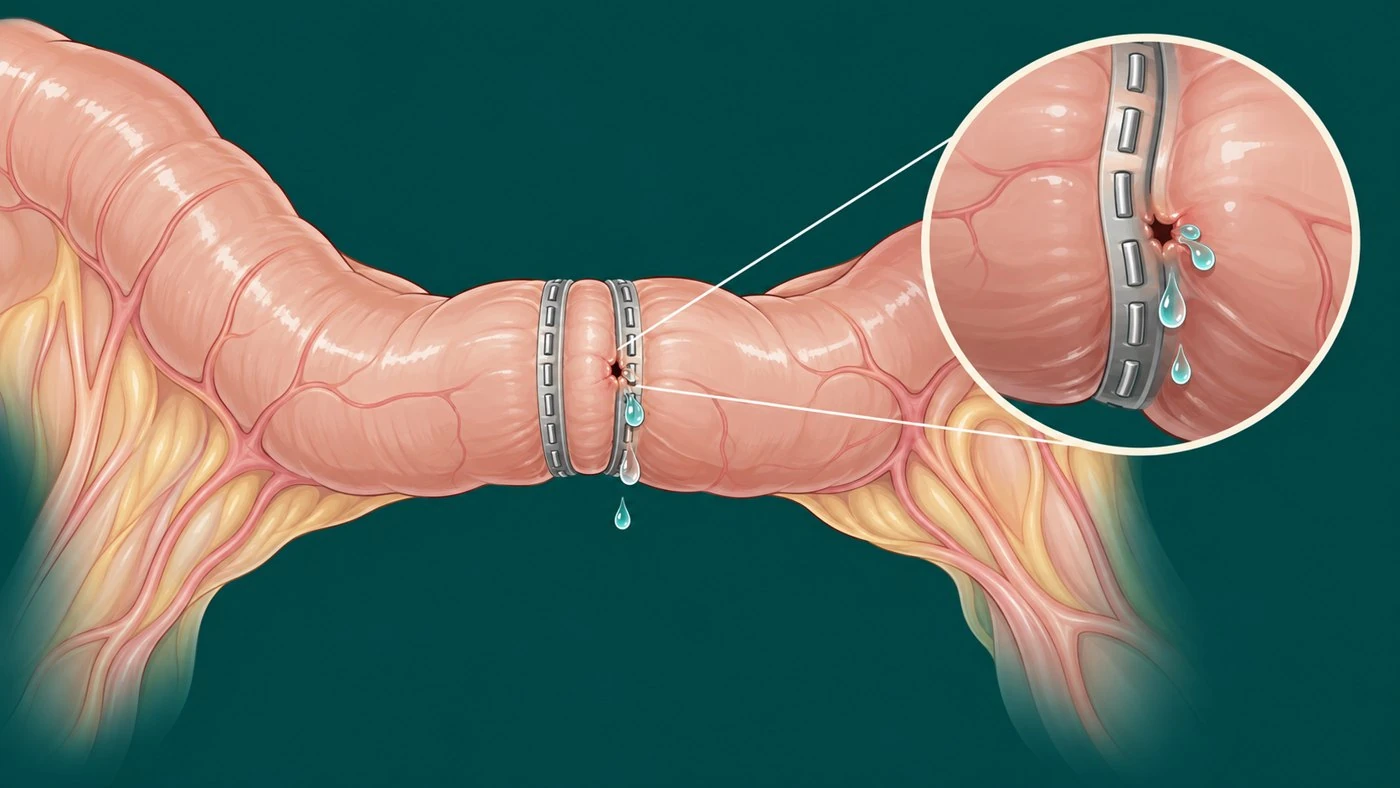
Postoperative tachycardia, ileus, or sepsis requires active reassessment. Management depends on stability, leak anatomy, and contamination.
 Surgical Decision-Making
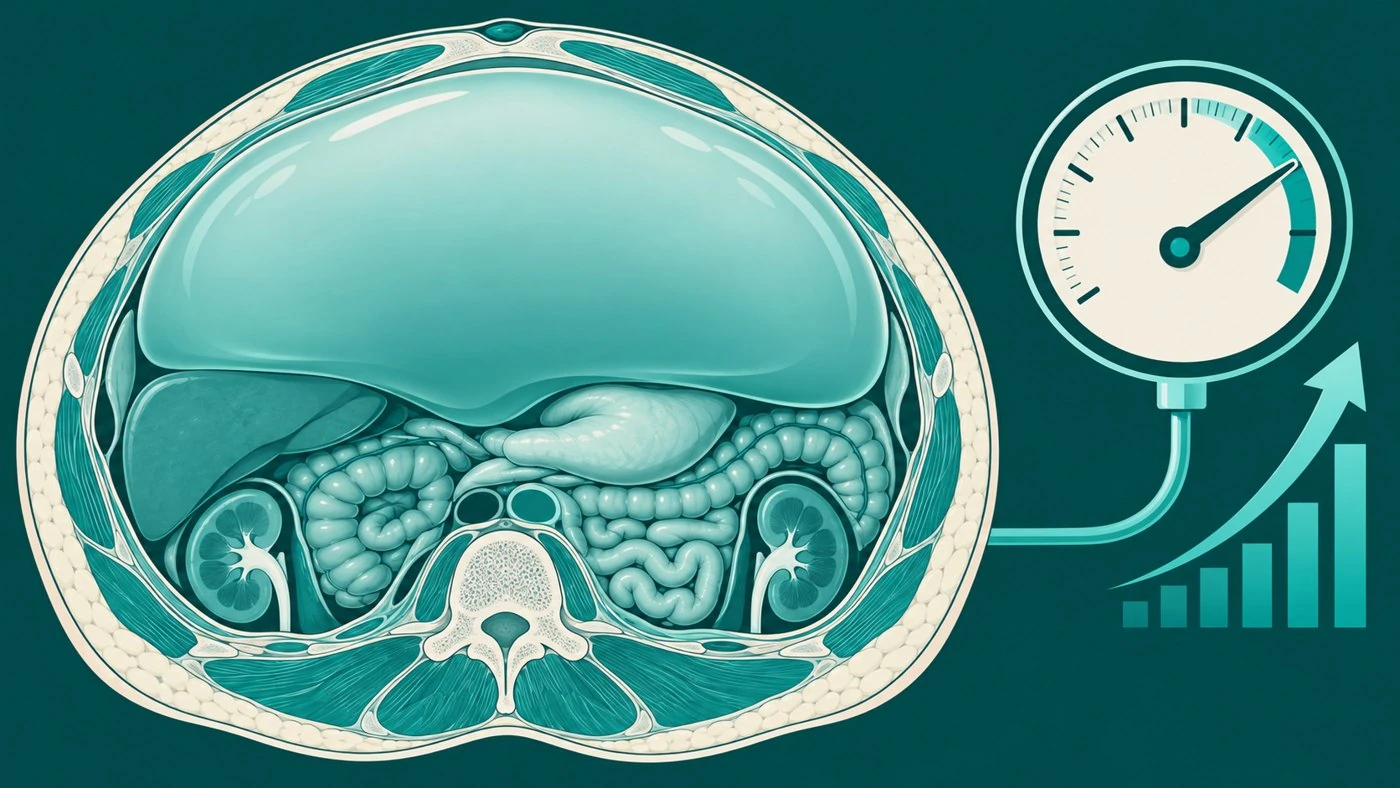
A tense abdomen is a clue, not a measurement. Sustained pressure elevation with new organ dysfunction requires urgent action.
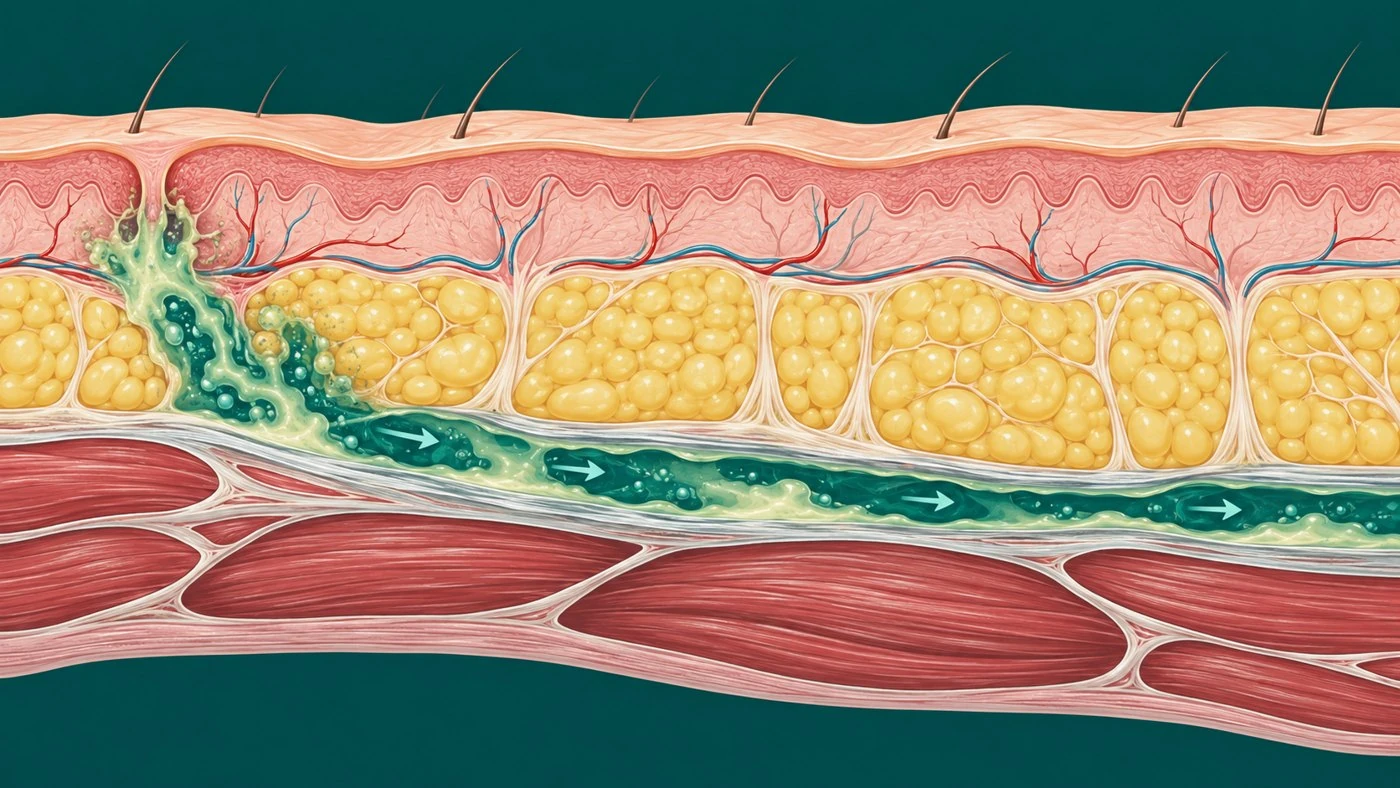 Surgical Pearls & Pitfalls
Rapid surgical assessment and source control are essential when deep infection is suspected, even before dramatic skin changes appear.
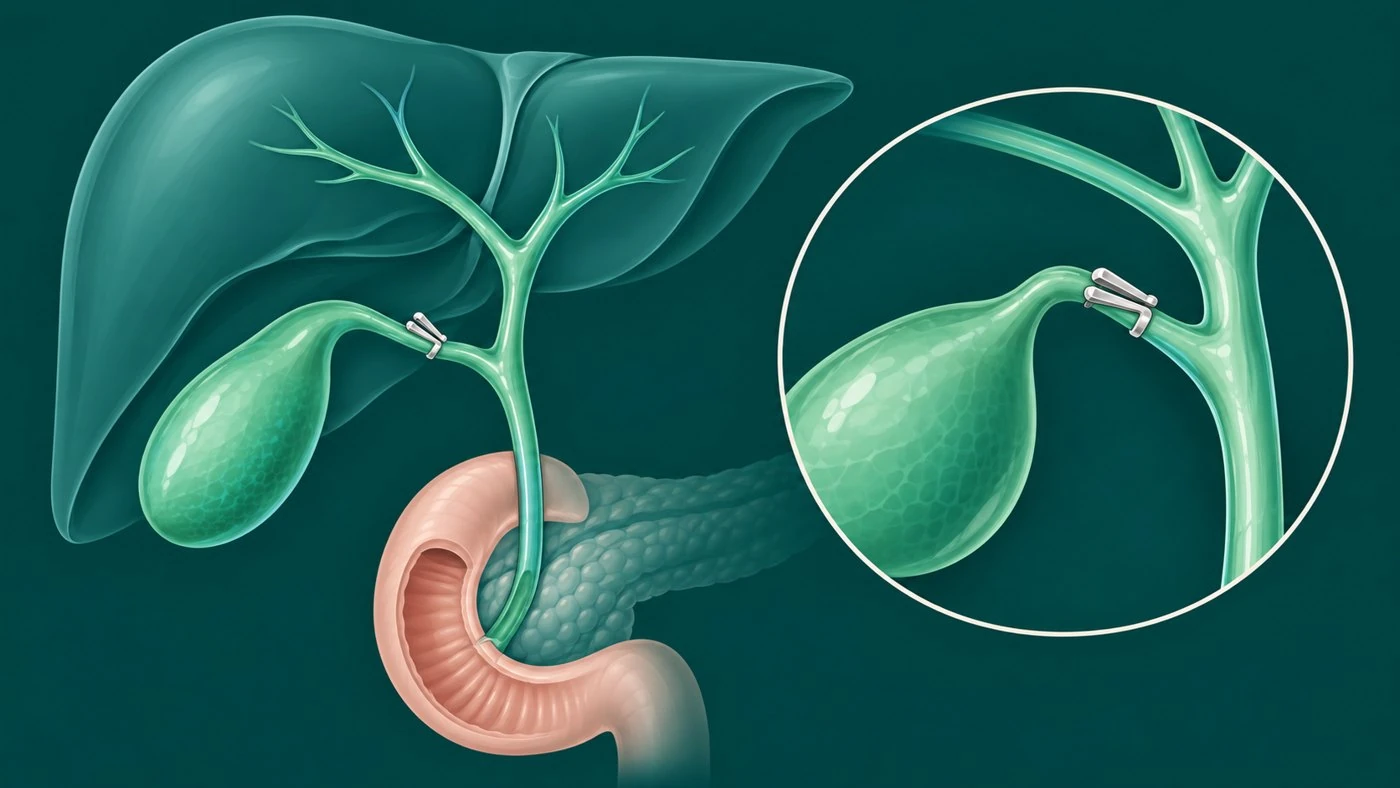 Surgical Pearls & Pitfalls
Uncertain anatomy and a difficult postoperative recovery need a deliberate response, not further blind dissection or an improvised major repair.
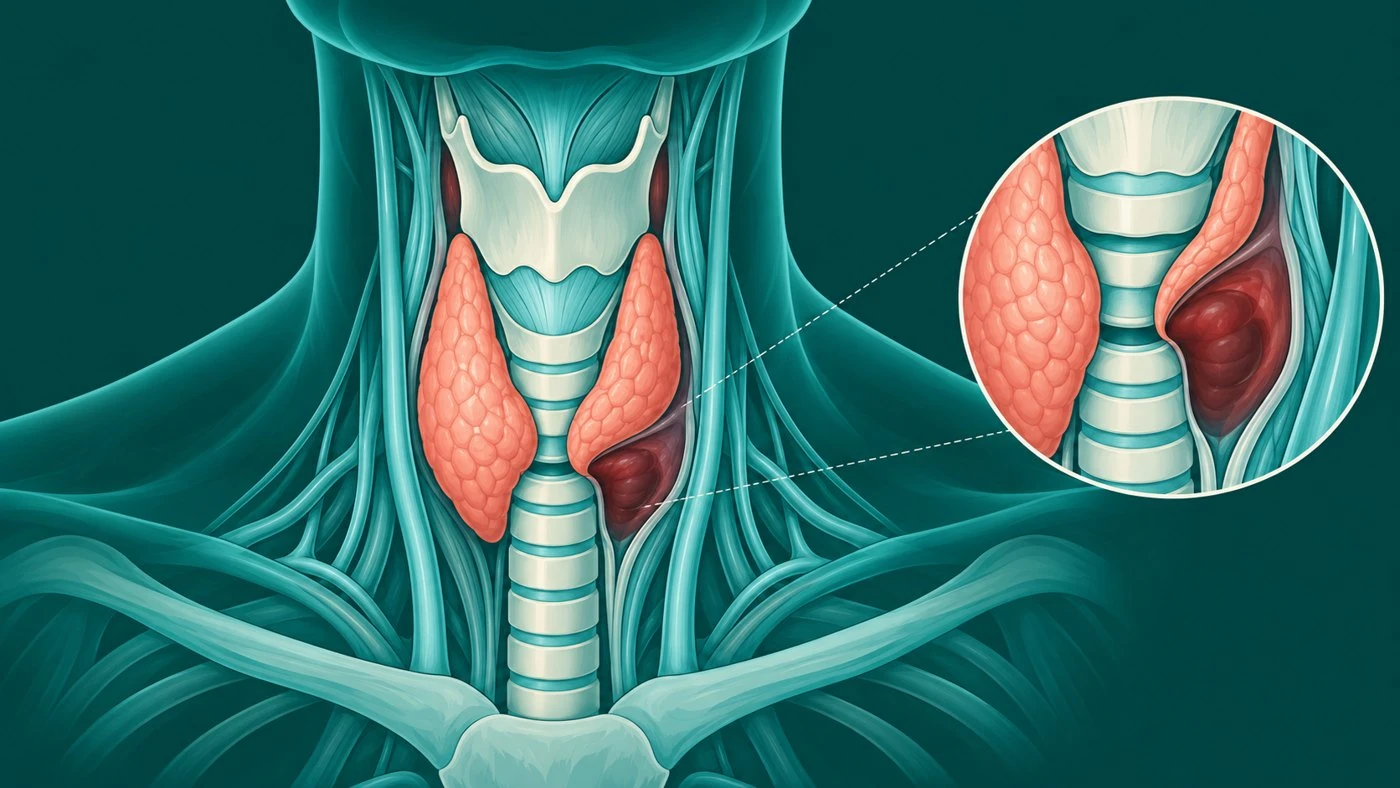 Surgical Pearls & Pitfalls
Normal oxygen saturation and a quiet drain do not exclude a dangerous neck hematoma. Teams need an explicit emergency pathway.
Sources checked and articles adapted for the website on 22 November 2026. Educational summaries do not replace full guidelines, local protocols, or specialist judgment.