 Surgical Pearls & Pitfalls
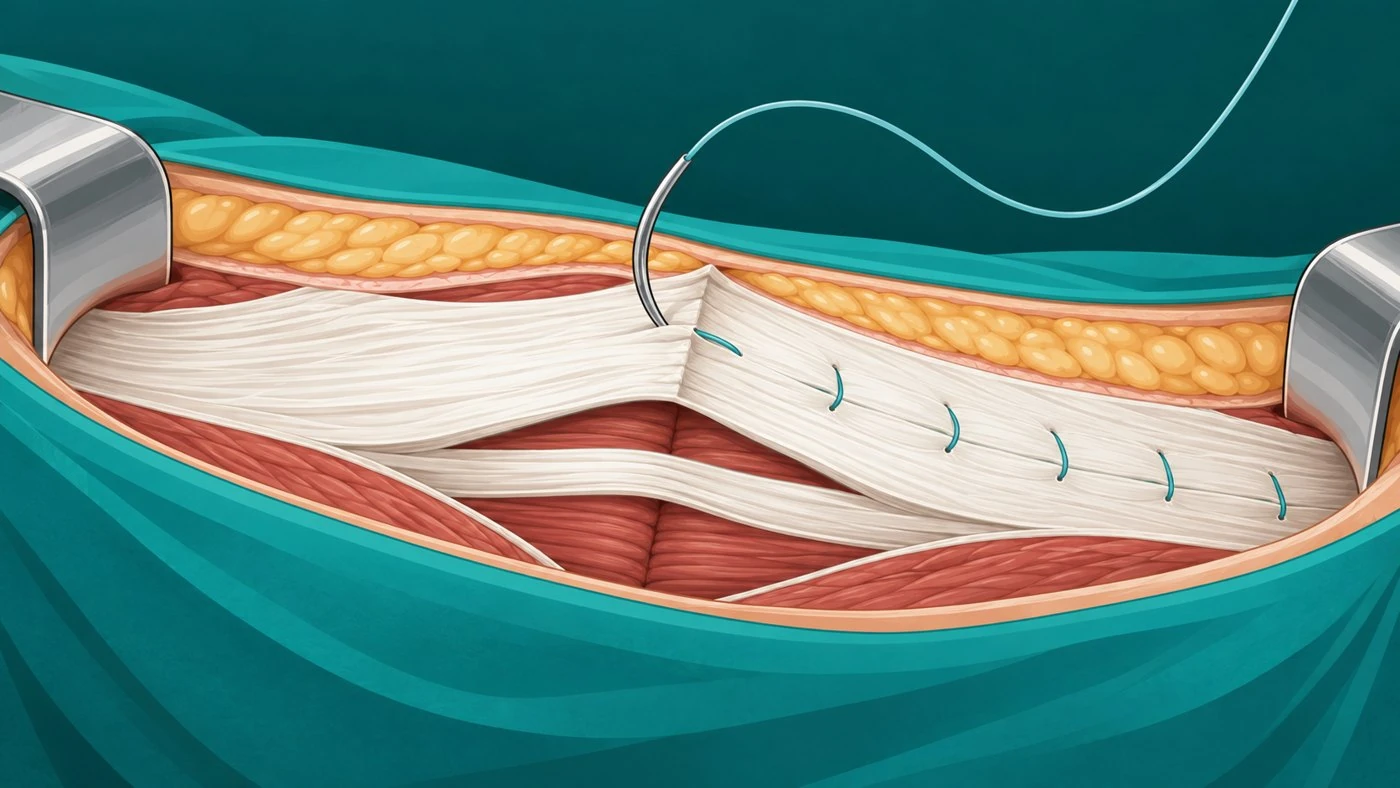
Small-bites fascial closure: the long view from STITCH
Thirteen-year follow-up supports careful small-bites closure after elective midline laparotomy, while showing that hernia risk remains.
22 November 2026Read More
 Dr Abdelrahman EssamGENERAL SURGERY & TRAUMA
A growing surgical education publication.
Educational content for students, residents and colleagues. Each category links to its articles in the Content Library as they are published.
Practical lessons that make a difference in theatre and on the ward.
Articles in the libraryStructured thinking for real surgical situations.
Articles in the libraryApproach to the acute surgical patient.
Articles in the libraryPrinciples of trauma assessment and care.
Articles in the libraryRecognition, management and prevention.
Articles in the libraryApplying the literature to daily practice.
Articles in the libraryCritical reading of important surgical papers.
Articles in the libraryCases that teach, clearly labeled as educational.
Articles in the librarySurgical Pearls & PitfallsThirteen-year follow-up supports careful small-bites closure after elective midline laparotomy, while showing that hernia risk remains.
 Evidence-Based Surgery
A shorter course worked as well as a longer strategy in the trial population. The key condition was adequate source control.
 Surgeon's Perspective
A national resident survey links mentorship with better educational and wellness measures, without proving causation.
 Surgical Pearls & Pitfalls
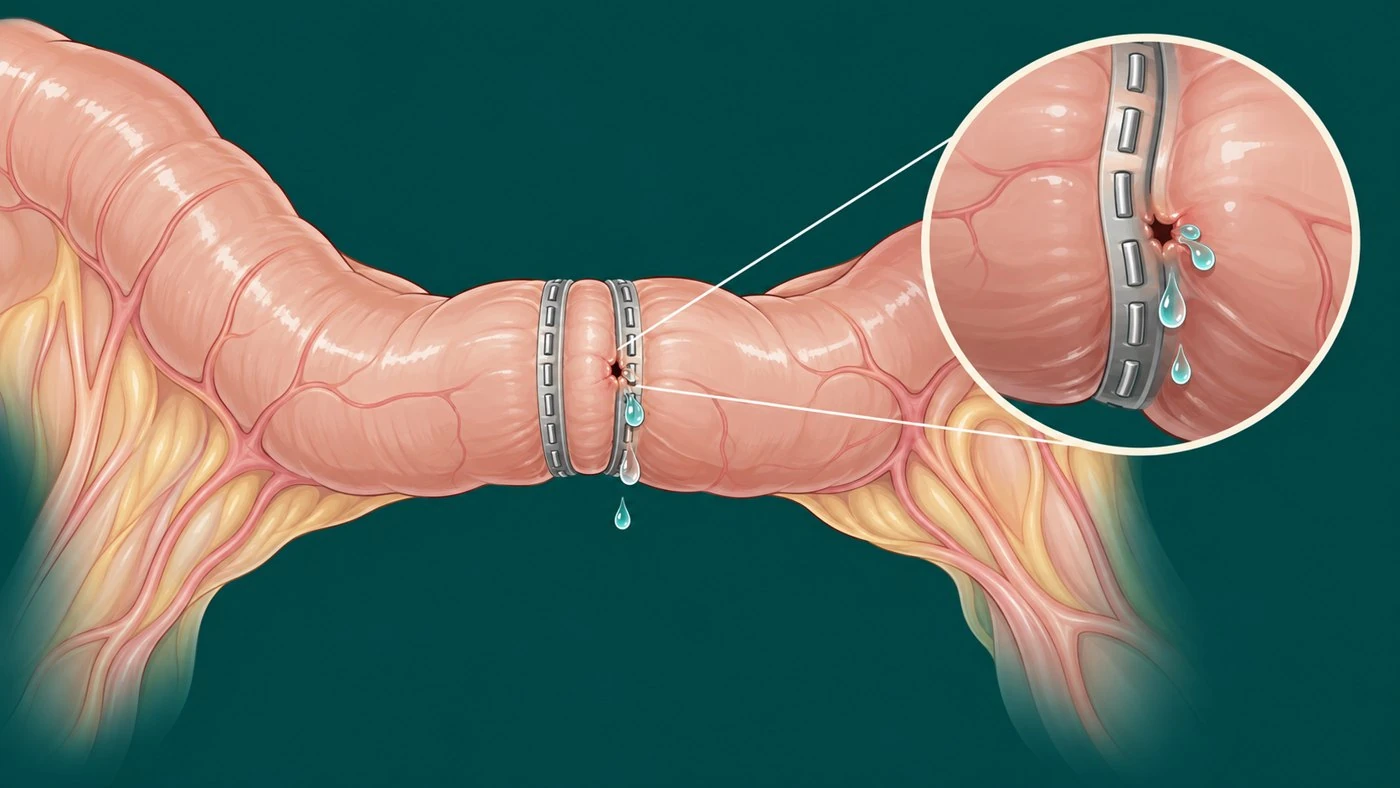
Postoperative tachycardia, ileus, or sepsis requires active reassessment. Management depends on stability, leak anatomy, and contamination.
 Evidence-Based Surgery
Early enteral nutrition is often appropriate after resuscitation, but full feeding during uncontrolled shock is not the goal.
 Surgical Pearls & Pitfalls
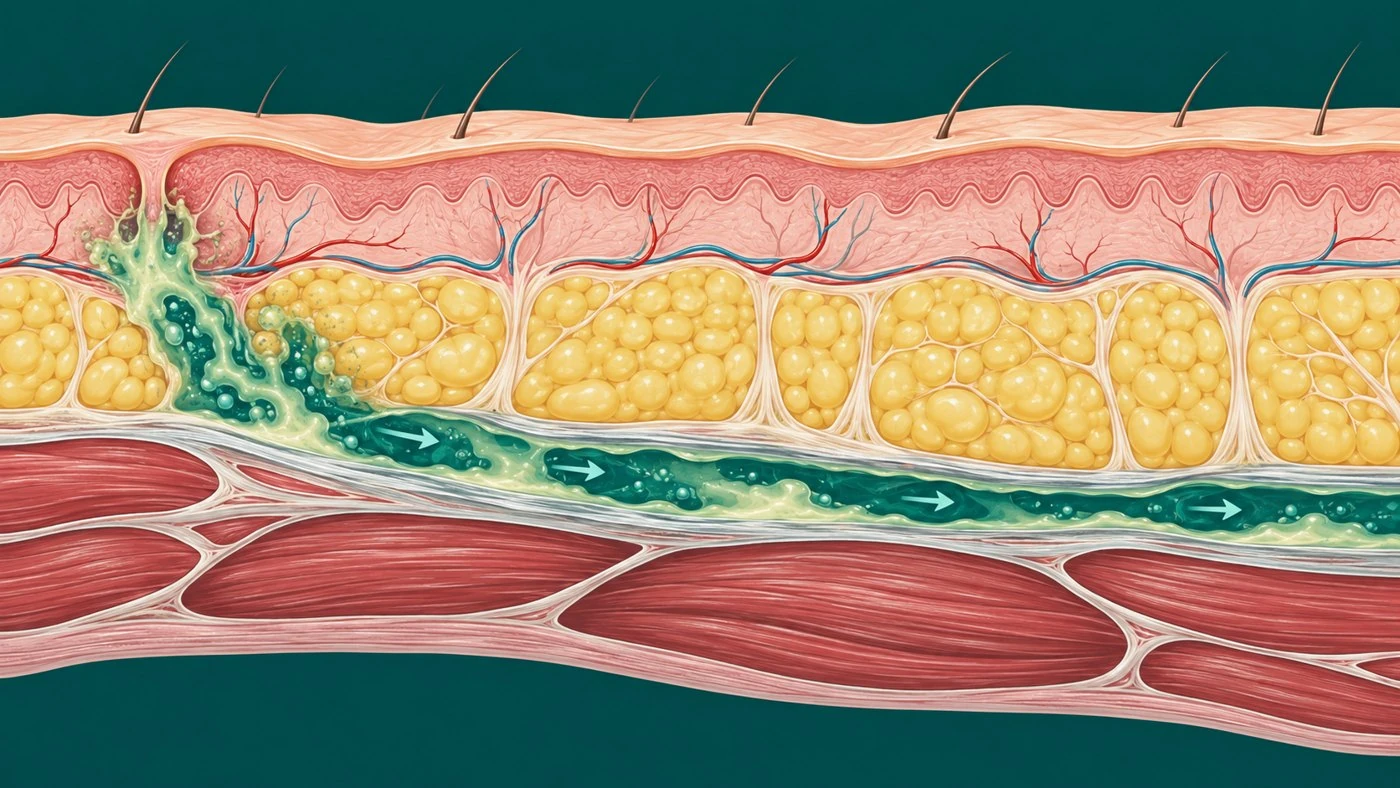
Rapid surgical assessment and source control are essential when deep infection is suspected, even before dramatic skin changes appear.
 Surgical Pearls & Pitfalls
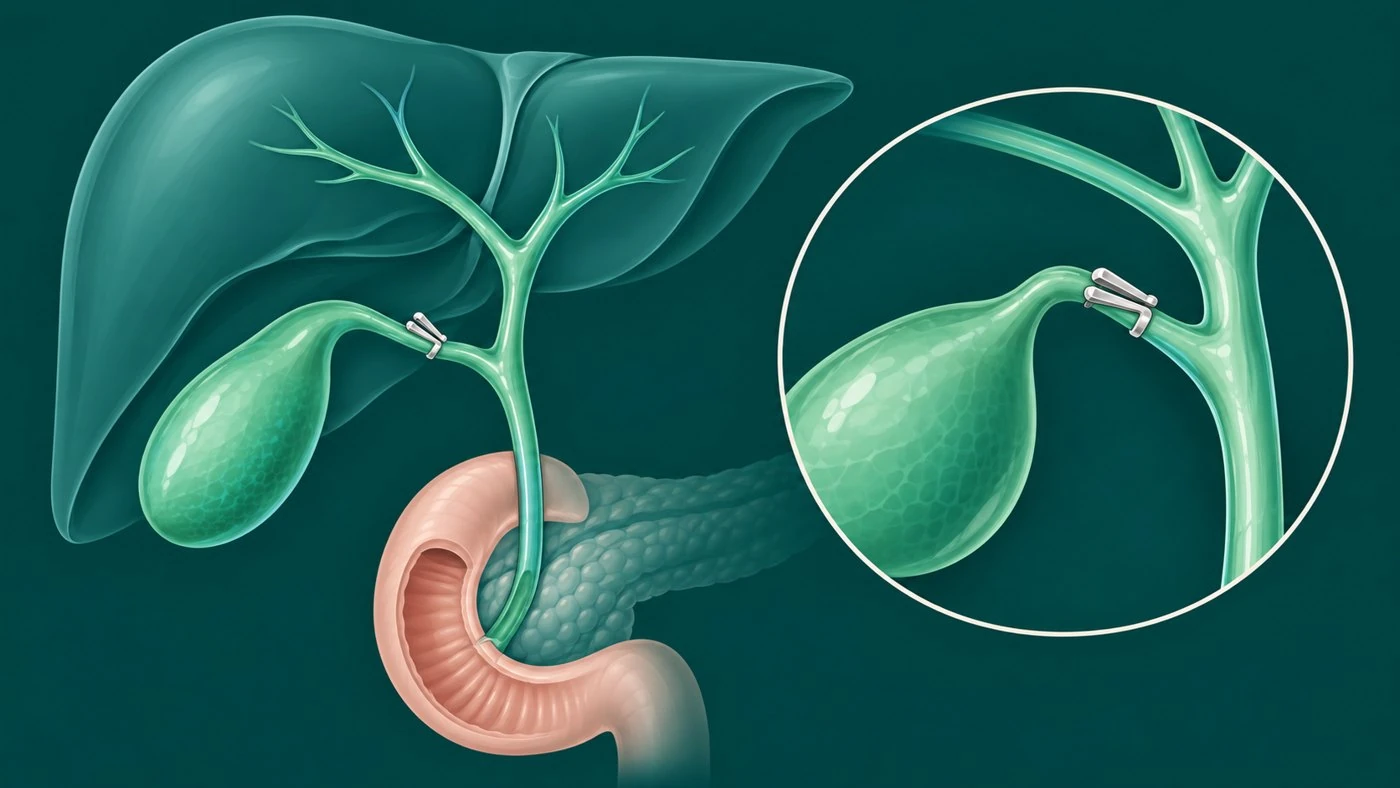
Uncertain anatomy and a difficult postoperative recovery need a deliberate response, not further blind dissection or an improvised major repair.
 Surgical Pearls & Pitfalls
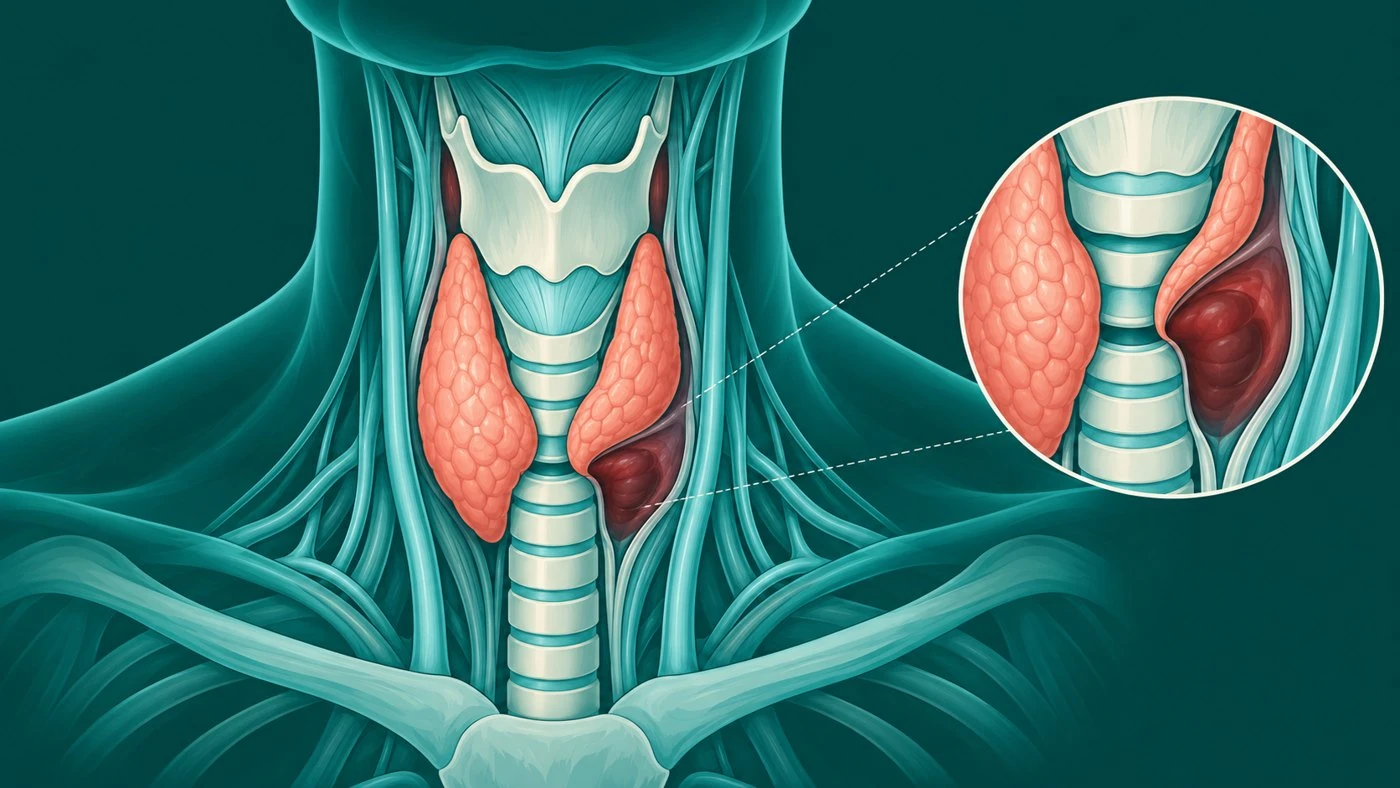
Normal oxygen saturation and a quiet drain do not exclude a dangerous neck hematoma. Teams need an explicit emergency pathway.
 Surgical Pearls & Pitfalls
In a deteriorating patient, treatment is guided by the clinical emergency rather than waiting for a radiograph.
 Evidence-Based Surgery
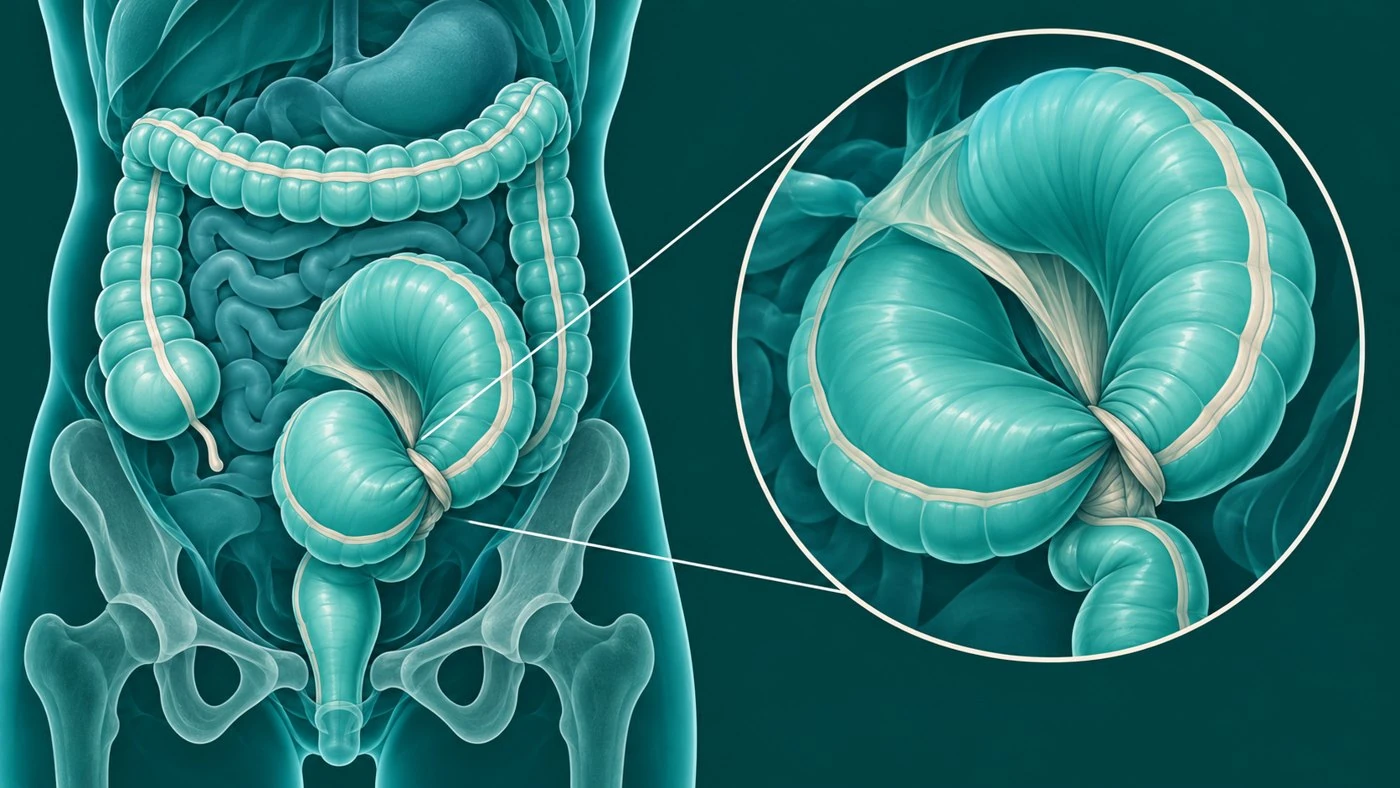
Viable bowel may be decompressed endoscopically. Ischemia, perforation, or failed detorsion changes the pathway to urgent surgery.