 Surgical Research Radar
Antibiotics for uncomplicated appendicitis: what APPAC shows at 10 years
Ten-year follow-up helps put the chance of avoiding appendectomy, recurrence, and treatment trade-offs into perspective.
22 November 2026Read More
 Dr Abdelrahman EssamGENERAL SURGERY & TRAUMA
A continuously growing surgical knowledge library.
25 educational articles across 7 categories. Literature reviews and teaching discussions, not a list of personal research publications.
15 of 25 articles shown
Surgical Research RadarTen-year follow-up helps put the chance of avoiding appendectomy, recurrence, and treatment trade-offs into perspective.
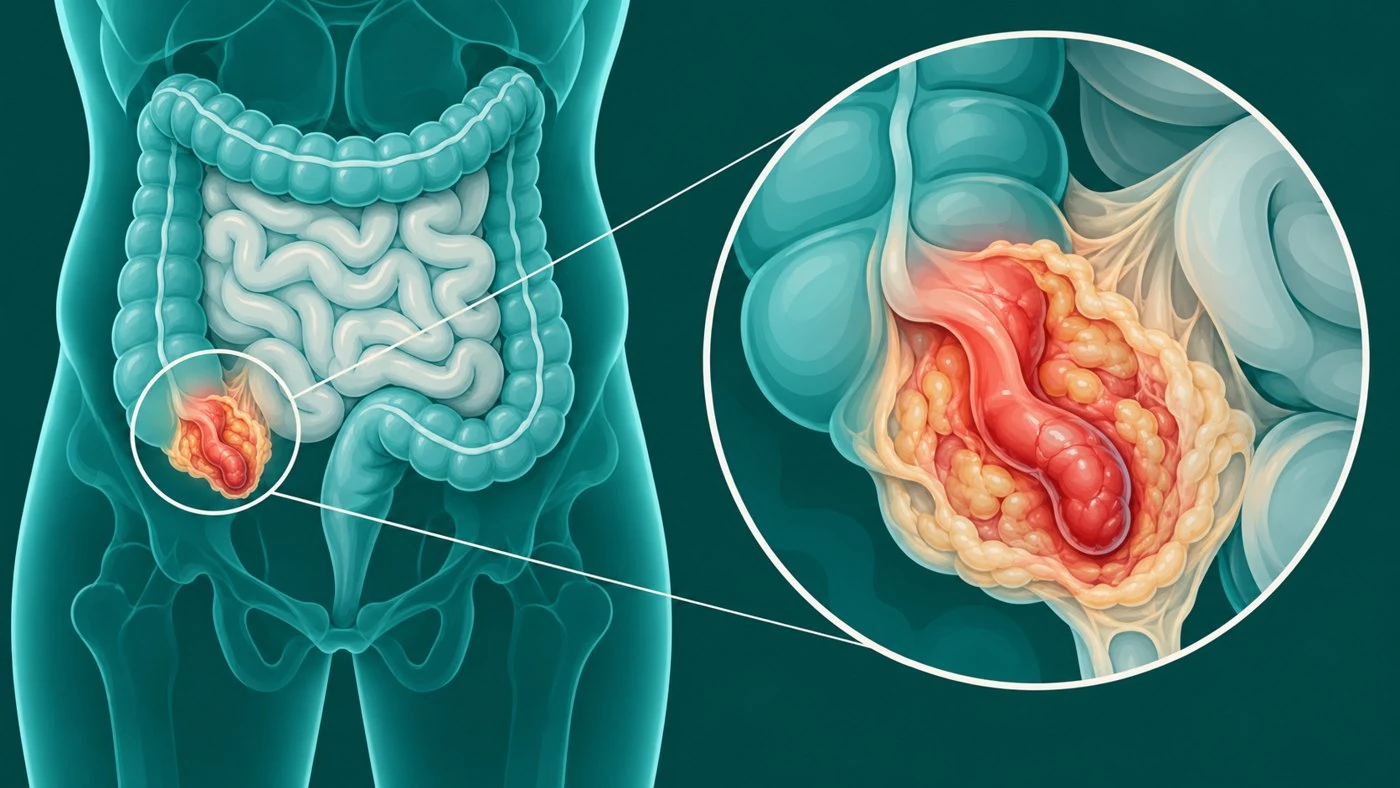 Surgical Decision-Making
The 2025 WSES update changes the age-based abscess pathway and interval-appendectomy advice. Do not apply an older rule to every inflammatory mass.
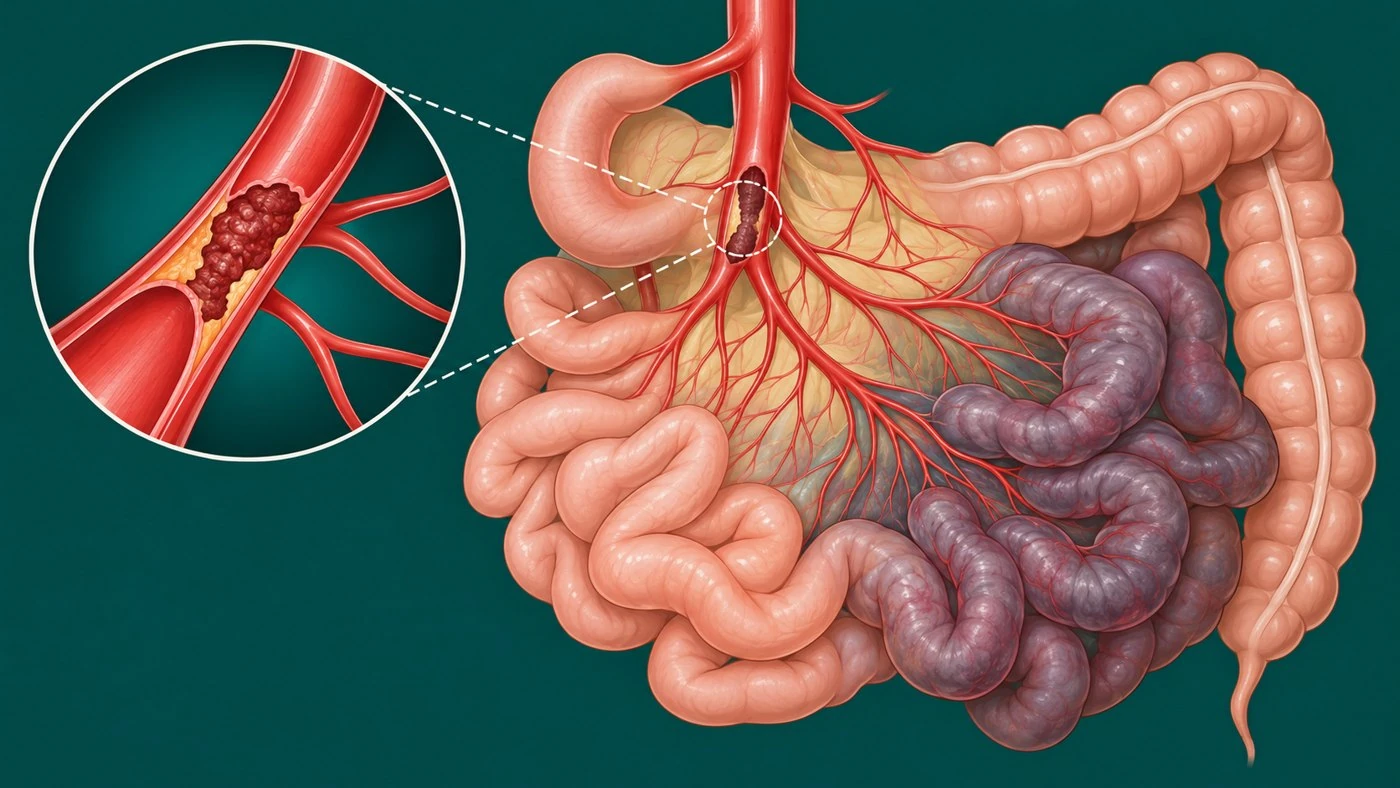 Clinical Case Discussion
A hypothetical case illustrates why an initially soft abdomen and a normal lactate must not delay urgent vascular imaging.
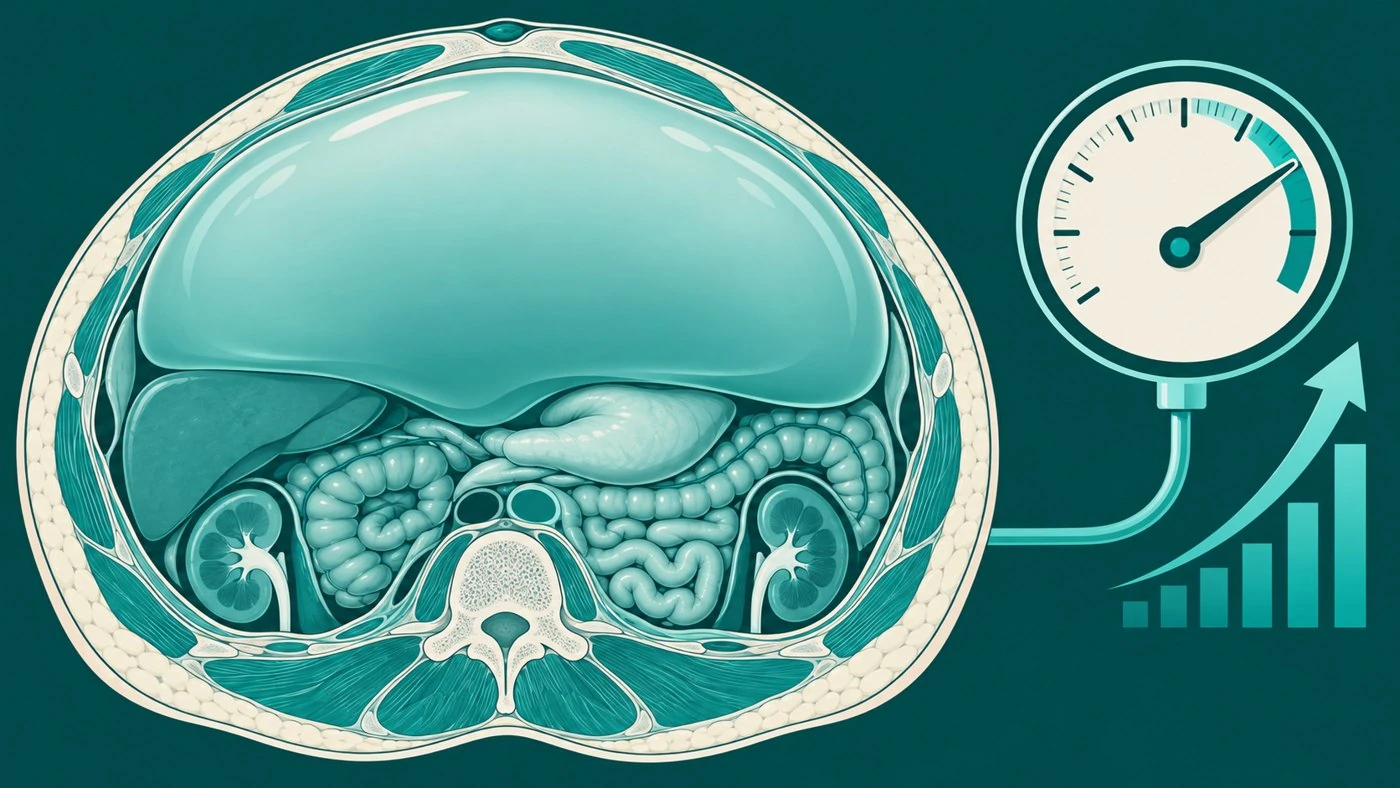 Surgical Decision-Making
A tense abdomen is a clue, not a measurement. Sustained pressure elevation with new organ dysfunction requires urgent action.
Surgical Decision-MakingCTA, early specialist involvement, and cause-specific treatment are central. Not every mesenteric ischemia pathway requires the same intervention.
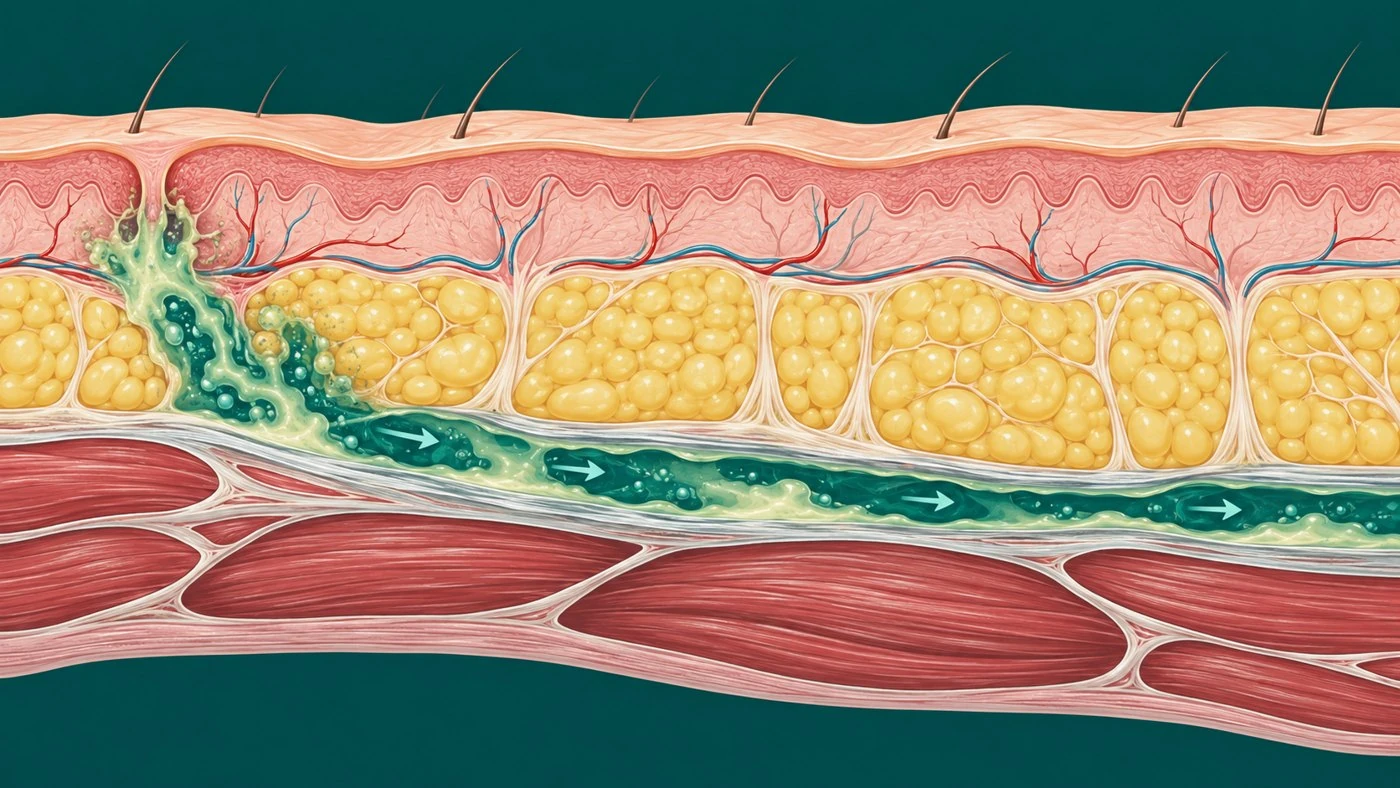 Surgical Pearls & Pitfalls
Rapid surgical assessment and source control are essential when deep infection is suspected, even before dramatic skin changes appear.
 Surgical Decision-Making
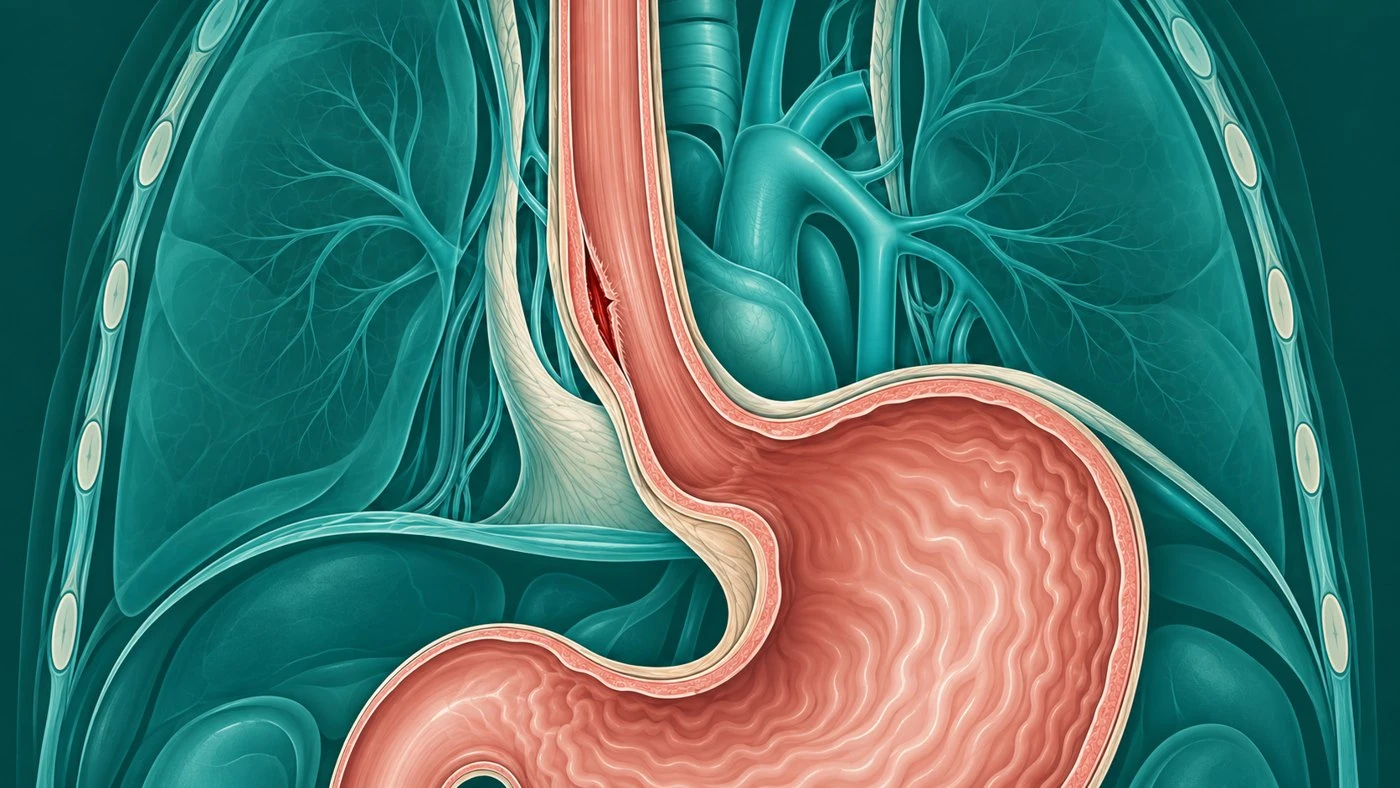
Chest pain after forceful vomiting warrants a broad emergency assessment. Treatment of esophageal perforation depends on physiology, containment, and expertise.
 Surgical Decision-Making
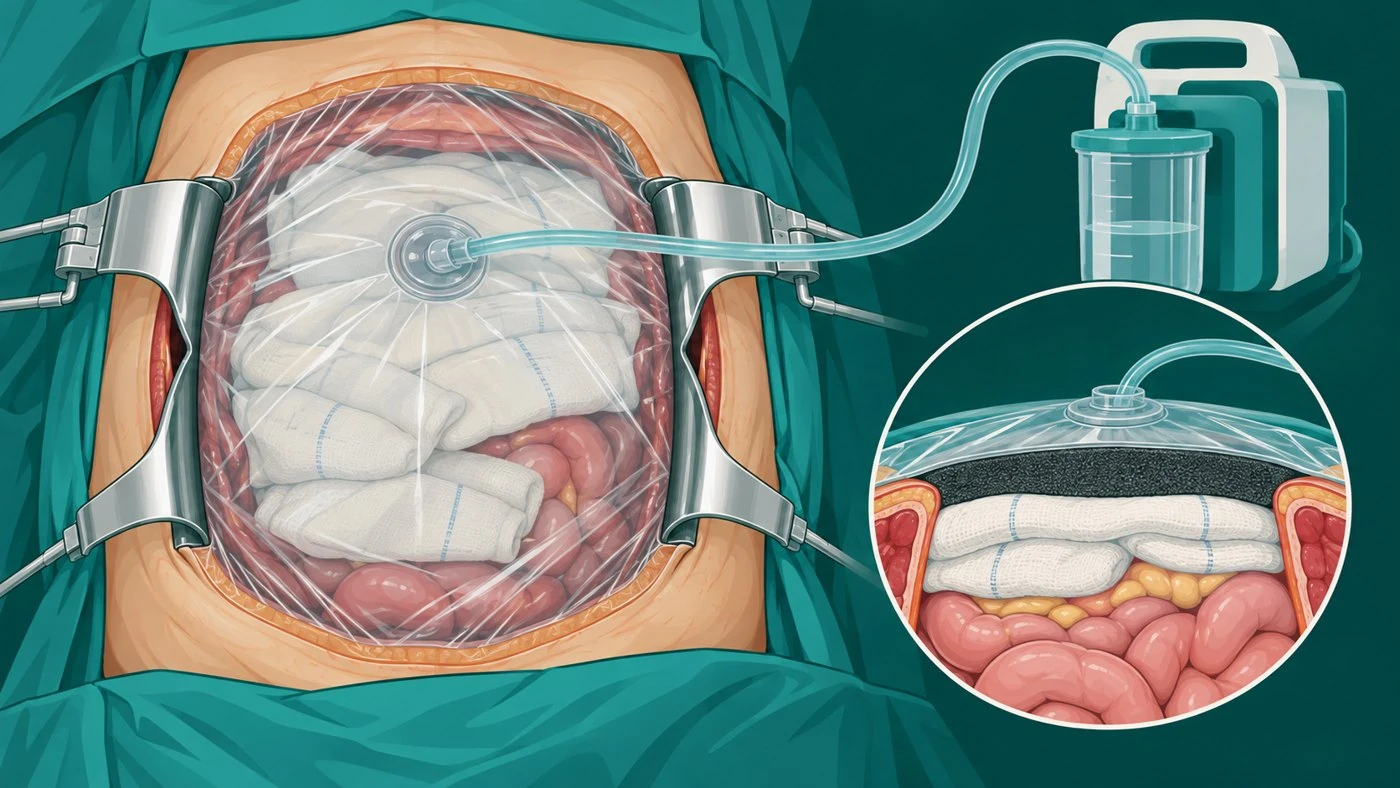
An abbreviated operation can be lifesaving in selected critically injured patients, but an open abdomen also carries substantial risk.
 Surgical Pearls & Pitfalls
In a deteriorating patient, treatment is guided by the clinical emergency rather than waiting for a radiograph.
 Surgical Decision-Making
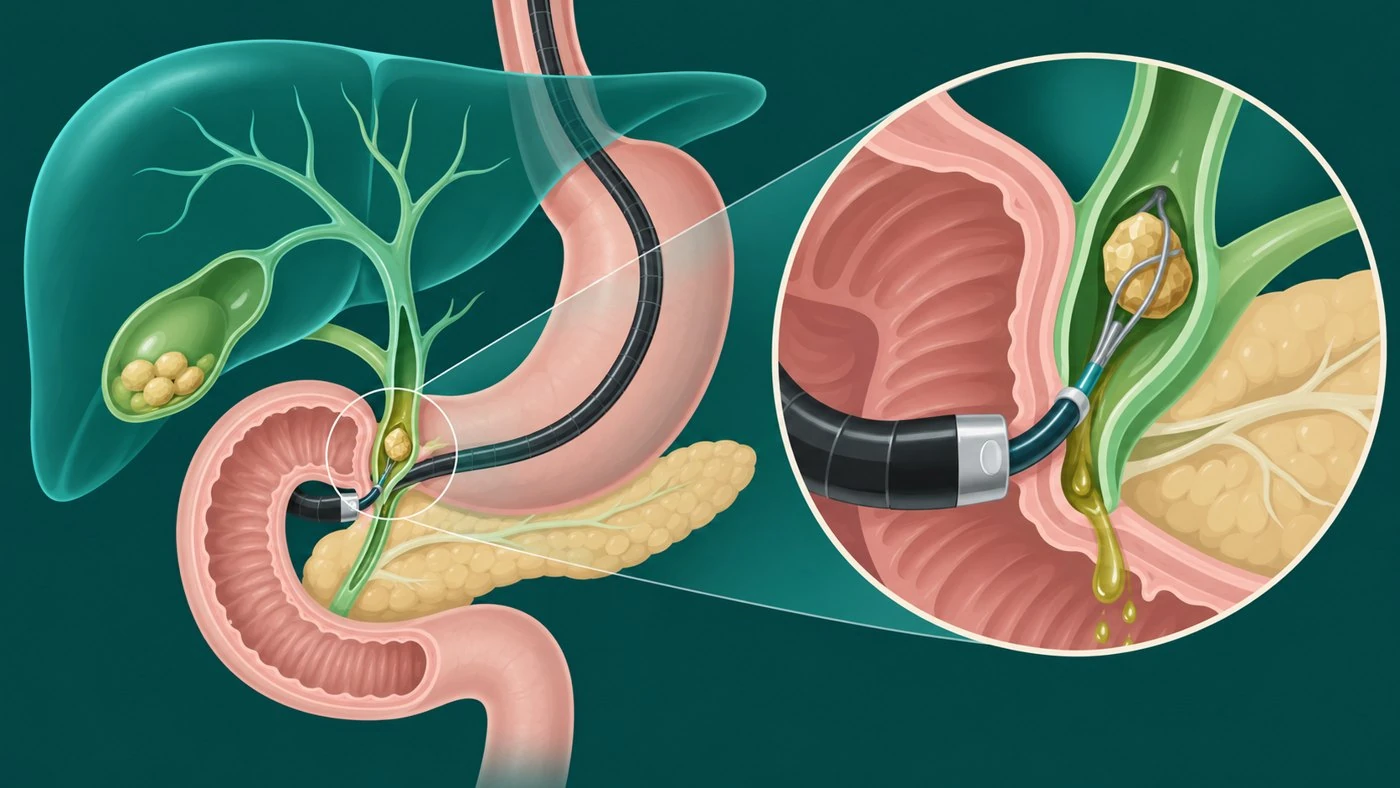
Combine inflammation, cholestasis, and imaging rather than relying on a complete Charcot triad.
 Surgical Decision-Making
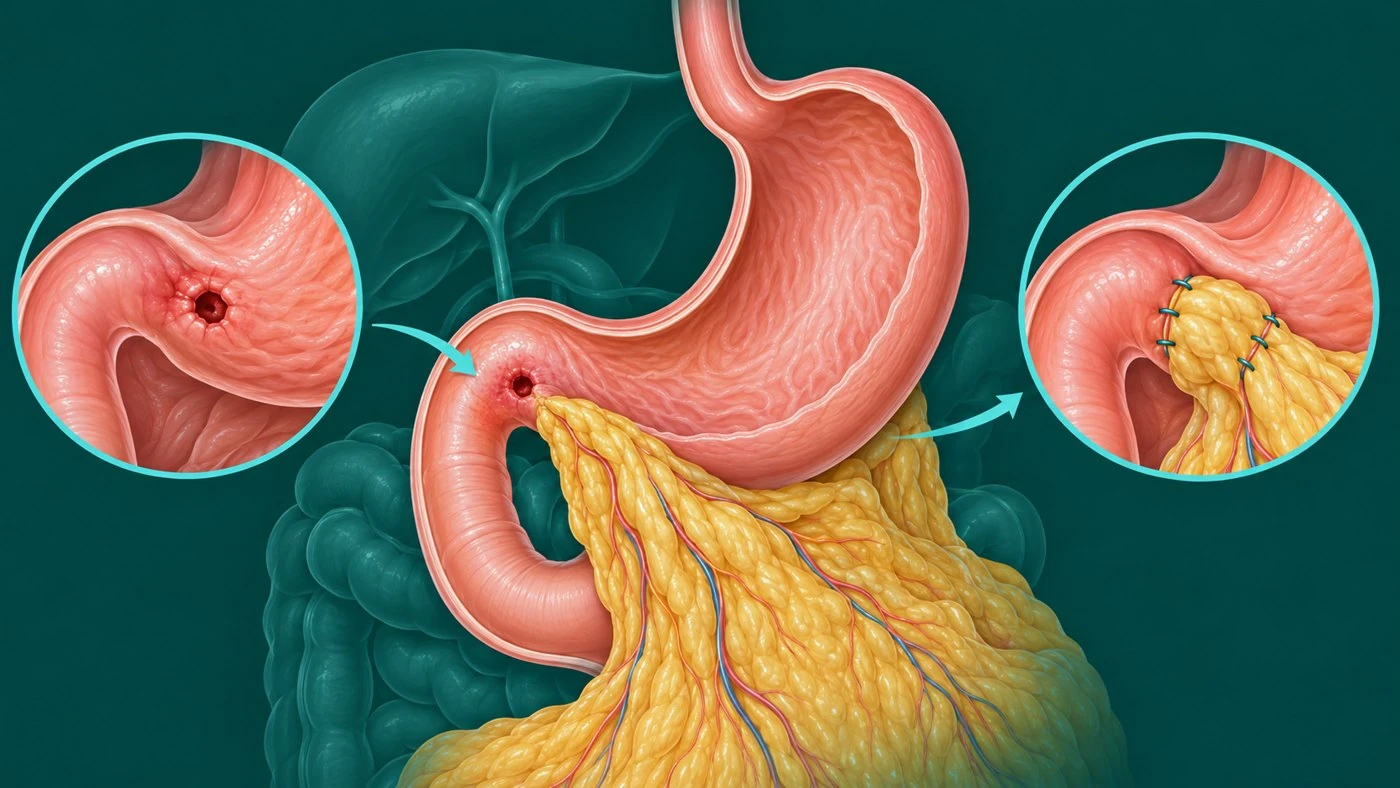
Peritonitis and physiological deterioration drive urgency. A patch is an option, not a universal solution for every perforation.
 Surgical Decision-Making
A painful irreducible hernia with concern for ischemia needs urgent surgical assessment. Repair strategy depends on contamination and patient condition.
 Surgical Decision-Making
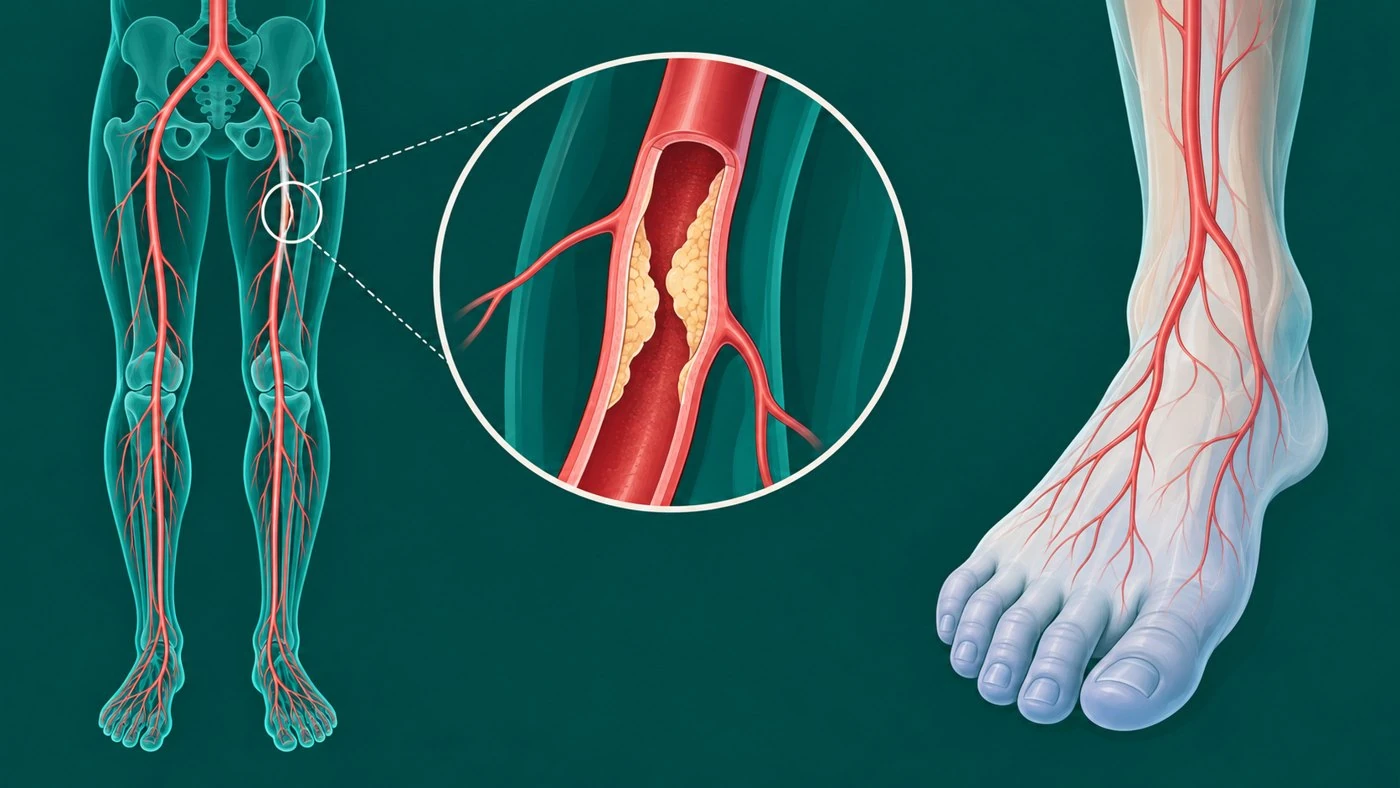
Sensory and motor findings help distinguish a viable limb from one requiring immediate reperfusion. Six hours is not a universal biological deadline.
 Clinical Case Discussion
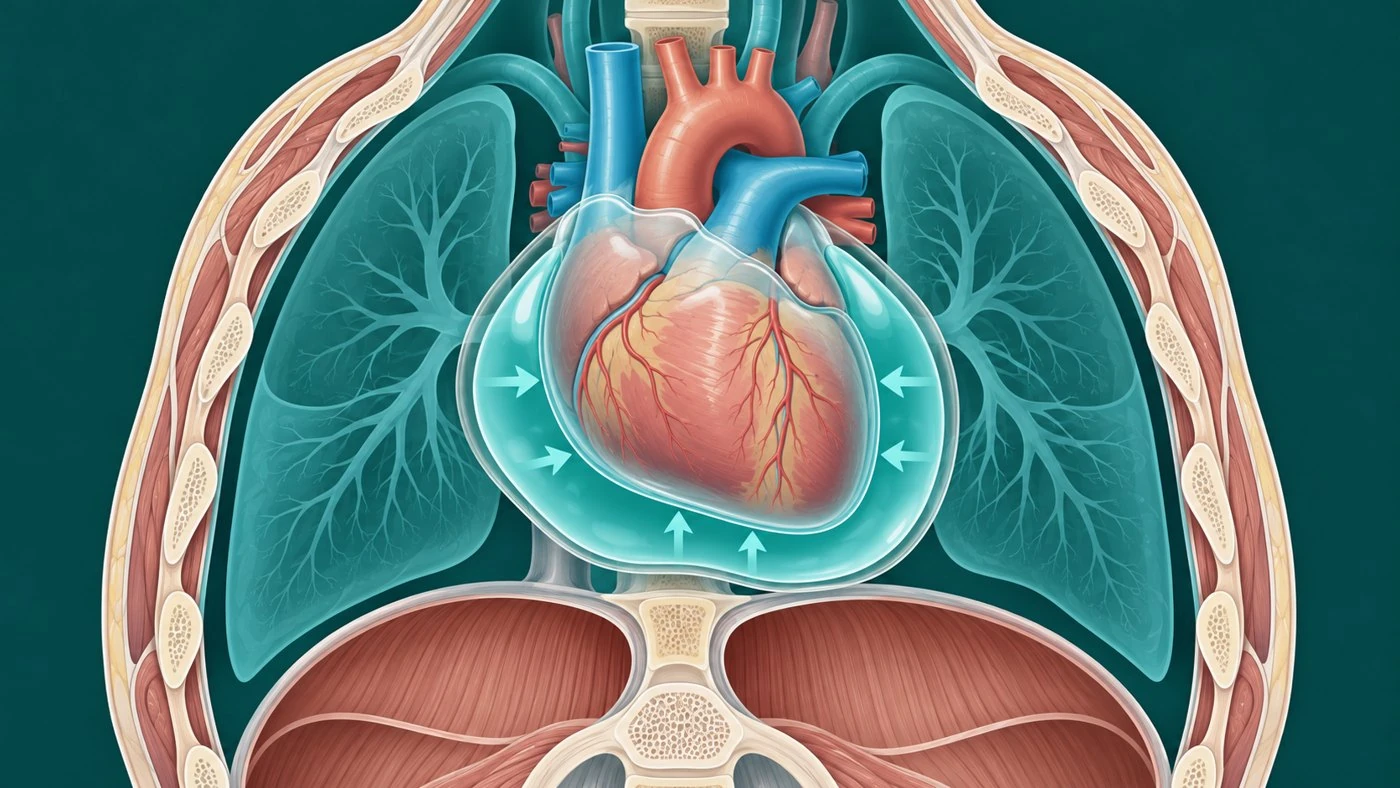
A hypothetical penetrating-trauma scenario illustrates why absent neck-vein distension and an incomplete Beck triad cannot reassure.
 Evidence-Based Surgery
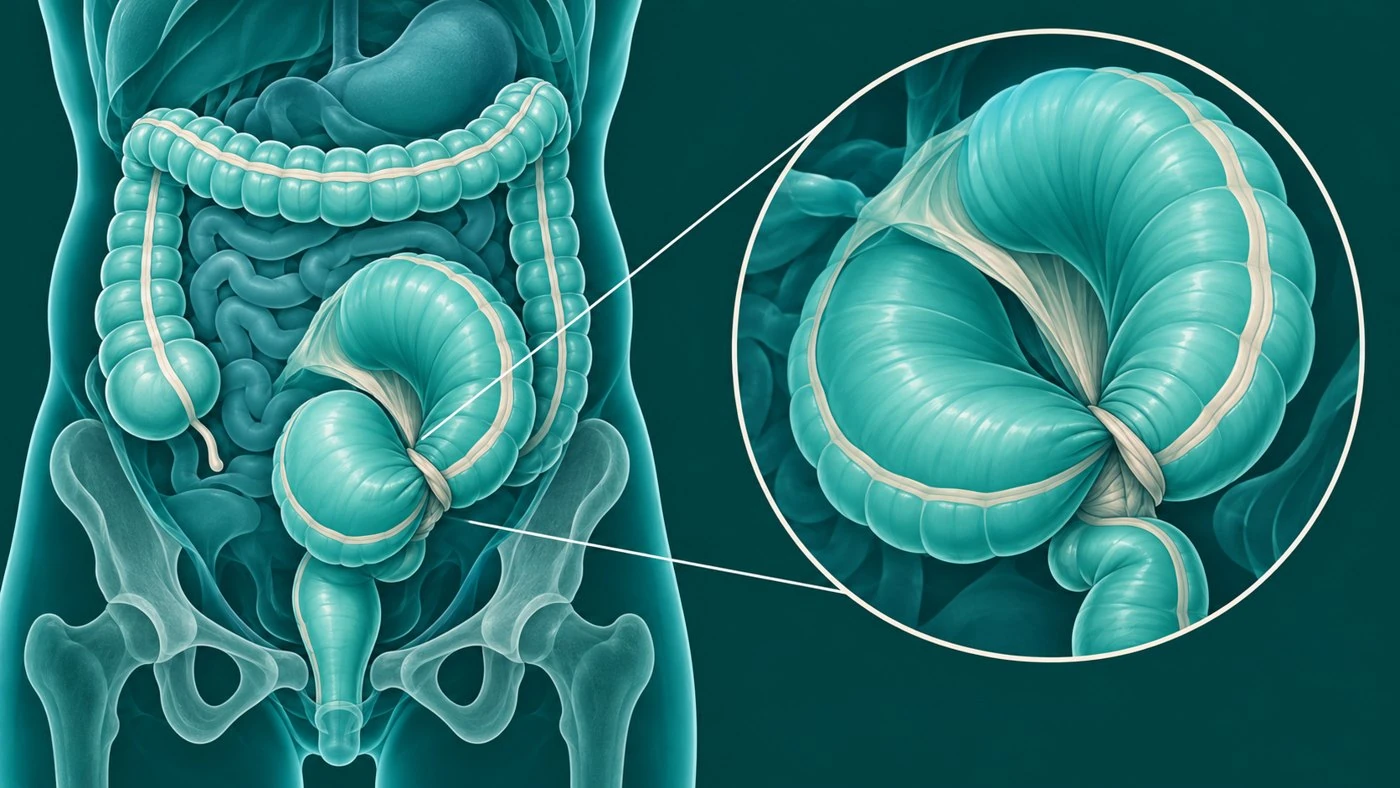
Viable bowel may be decompressed endoscopically. Ischemia, perforation, or failed detorsion changes the pathway to urgent surgery.
Sources checked and articles adapted for the website on 22 November 2026. Educational summaries do not replace full guidelines, local protocols, or specialist judgment.